Crown Thinning in Brompton: Local Tree Care for Healthier, Safer, Better-Shaped Trees
If you are looking for crown thinning in Brompton, you are probably dealing with a tree that has become too dense, too shaded, or too dominant for the space it grows in. In a place like Brompton, where gardens, front forecourts, communal courtyards, and commercial properties often sit close to buildings, roads, and neighbouring plots, a well-managed tree can make a big difference to light, appearance, and safety. Crown thinning is one of the most effective ways to improve a tree’s structure without stripping it back too hard.
Unlike heavy reduction work, thinning focuses on selectively removing smaller branches throughout the canopy. The result is a tree that still looks natural, but allows more light through, reduces wind resistance, and can feel more balanced. For many Brompton property owners, that means a better view, a tidier garden, less shade on planting beds, and fewer concerns about branches brushing roofs, walls, or overhead lines.
Whether you manage a private home, a rental property, a block of flats, a shop frontage, or a business premises, crown thinning in Brompton can be a practical, thoughtful solution. This page explains what the service involves, when it is useful, what to expect from a local tree surgeon, and how to decide whether thinning is the right approach for your tree.
What Crown Thinning Means for Trees in Brompton
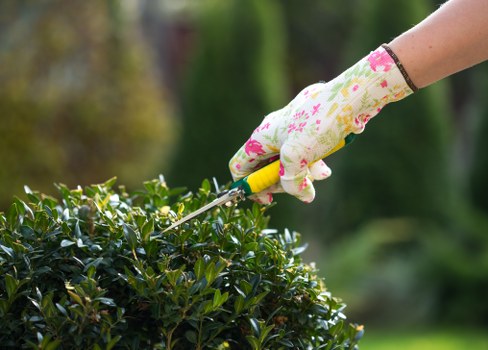
Crown thinning is the selective removal of small living branches from throughout the crown of a tree. The idea is not to make the tree smaller in overall height or width, but to reduce overcrowding within the canopy. By opening the crown in a controlled way, more light and air can move through the tree, which helps with shape, wind movement, and overall vitality.
In Brompton, where mature trees may be in front gardens, shared access ways, mews-style properties, or landscaped commercial spaces, crown thinning is often chosen because it is subtle and effective. It can improve the relationship between the tree and the surrounding space without making the tree look heavily cut or unnatural. Many local customers prefer this method because it keeps the tree looking established and cared for rather than overworked.
It is important to understand that thinning is different from topping or aggressive pruning. Good tree work should be targeted, balanced, and respectful of the species, the time of year, and the setting. A skilled arborist will assess the tree’s structure before deciding which branches to remove, making sure the work supports long-term health rather than simply changing the shape for the short term.
Why Local Property Owners Ask for Crown Thinning
There are several practical reasons why residents and businesses request crown thinning in Brompton. Some trees become too dense after years of growth and begin to block natural daylight into rooms or gardens. Others catch too much wind, especially where a tree is exposed between buildings or on a street corner. In some cases, branches grow in a way that makes the canopy heavy on one side, causing the tree to look uneven or difficult to manage.
Common reasons customers choose crown thinning include:
- Reducing excessive shade in gardens, patios, and windowed rooms
- Improving air movement through the canopy
- Lowering wind drag on large, mature trees
- Maintaining a more open, attractive shape
- Helping trees sit more comfortably within compact urban spaces
- Reducing the chance of minor branch interference with roofs, gutters, or nearby structures
For Brompton properties, where outdoor space may be limited and every patch of light matters, thinning can be especially useful. It helps you keep the tree while making the area around it easier to enjoy and maintain.
How Crown Thinning Differs from Other Tree Services
Customers sometimes know they want tree work but are unsure which type is suitable. Crown thinning is just one option among several, and it is worth understanding how it differs from other common services. A local tree surgeon should always explain the best approach based on the tree’s condition and your goals.
Crown reduction reduces the overall height and spread of the tree by shortening selected branches to suitable growth points. Crown lifting removes lower branches to increase clearance beneath the canopy. Deadwood removal focuses on dead, unsafe, or broken limbs. Formative pruning is usually carried out on younger trees to shape them early.
Crown thinning, by contrast, keeps the outer dimensions broadly similar while reducing density inside the canopy. If your tree is healthy but simply too thick, too dark, or too wind-sensitive, thinning is often a strong option. If you need a tree made significantly smaller, however, a different service may be more appropriate. The right decision depends on species, size, condition, and the space around it.
What a Crown Thinning Service Typically Includes
When you book crown thinning in Brompton, the service normally begins with an on-site assessment. The tree is checked for species, structure, general health, access, and any signs of stress or decay. This helps determine how much thinning is suitable and which parts of the crown should be worked on. Good arborists avoid unnecessary cuts and aim for a natural finish.
A standard service may include:
- Inspection of the tree and surrounding area
- Selective removal of smaller branches throughout the crown
- Balanced shaping to avoid a patchy appearance
- Removal of dead, damaged, or crossing branches where appropriate
- Safe lowering and clearance of cut material
- Tidying up the work area once the pruning is complete
Depending on the property and access conditions, the team may use climbing equipment, ropes, ladders, or a suitable mechanical platform. In Brompton, where access can be tight and parking limited, local experience matters. A tree team familiar with the area will plan for loading, unloading, and safe access before they arrive.
The best results come from thoughtful pruning rather than heavy-handed cutting. A quality thinning job should leave the tree healthier-looking, not bare. It should still feel like the same tree, only better balanced and less congested.
Benefits of Crown Thinning for Brompton Homes and Businesses

One of the main reasons crown thinning is popular is that the benefits are both practical and visual. The work can immediately improve how a tree interacts with a property, while also supporting the tree itself. In a built-up local area, that combination is often exactly what customers want.
Key benefits include:
- More natural light entering nearby rooms and garden areas
- Less wind resistance, which can help the tree move more safely in exposed positions
- Improved canopy balance for trees that have become dense or lopsided
- Better air circulation through the crown, which may support foliage health
- Reduced visual heaviness for a more refined appearance
- More usable outdoor space in compact gardens and shared areas
For commercial customers in Brompton, thinning can also help keep entrances, seating areas, and frontage spaces feeling open and welcoming. For homeowners, it can turn a dark or enclosed garden into a much more pleasant space without losing the value of the tree. That is why crown thinning is often seen as a smart compromise between preservation and practicality.
When Crown Thinning Is the Right Choice
Not every tree needs thinning, but many do benefit from it when the crown has become too crowded. If leaves are densely packed, branches are rubbing together, or the tree is casting more shade than you would like, thinning may be suitable. It can also help where the canopy catches strong gusts or where the tree sits close to adjoining properties.
Typical situations where crown thinning in Brompton may be recommended include mature street-facing trees, garden trees near rear extensions, trees near boundary walls, and specimens in shared courtyards. It is often chosen for ornamental trees, established deciduous trees, and some species that respond well to selective pruning. A tree surgeon will assess whether the species is likely to tolerate thinning well and whether the work should be light, moderate, or avoided altogether.
In some cases, the tree may have more urgent needs than thinning. For example, if there is significant decay, root damage, major deadwood, storm damage, or signs of disease, other action may be more suitable. This is one reason why local inspection matters: the best outcome is based on what the tree actually needs, not on a one-size-fits-all approach.
Local Knowledge Matters in Brompton
Brompton has a varied mix of property types, and that affects how tree work needs to be planned. Some properties have compact front gardens with limited room for equipment. Others sit near mews roads, private access ways, or shared communal areas where careful coordination is needed. There can also be restricted parking, busy footpaths, and nearby buildings that call for controlled branch removal and efficient site management.
This is where a local team offers clear value. A company that regularly carries out crown thinning in Brompton will already understand the practical challenges of the area. They are more likely to plan access properly, protect nearby surfaces, work cleanly, and keep disruption down. If material needs to be removed through a narrow passage or from a rear garden, that experience can make the job smoother from start to finish.
Local knowledge also helps when working around commercial premises, schools, managed properties, and residential blocks. Different sites have different expectations, and the safest tree care is the kind that accounts for people moving through the space, vehicles being parked nearby, and the daily routine of the property. A considerate tree team will work around those realities rather than creating unnecessary inconvenience.
What to Expect During the Job
Many customers want to know how the process works on the day. In most cases, crown thinning begins with a final review of the tree and the surrounding area. The team confirms the work plan, checks access, and makes sure the site is safe. Branches are then selectively removed from throughout the canopy, with attention paid to spacing, weight distribution, and the natural outline of the tree.
A typical process may look like this:
- Initial assessment of the tree and your requirements
- Confirmation of the pruning approach
- Safe set-up of equipment and protection of the work area
- Selective thinning of the crown by qualified tree workers
- Removal or processing of cut branches and debris
- Final tidy-up and visual check of the tree’s finished appearance
Good communication is important throughout. If the team spots unexpected issues, such as deadwood, tight unions, or signs of weakness, they should explain what they have found and how it may affect the work. That way, you are never left guessing about what has been done or why.
How long does it take?
The time required depends on the tree’s size, the amount of thinning needed, access, and site conditions. A smaller ornamental tree in a rear garden may be completed relatively quickly, while a larger mature tree on a more complex site can take longer. In Brompton, access constraints often matter as much as the tree itself, so it is sensible to allow for a practical on-site assessment rather than assume a fixed duration.
Preparing for Crown Thinning at Your Brompton Property
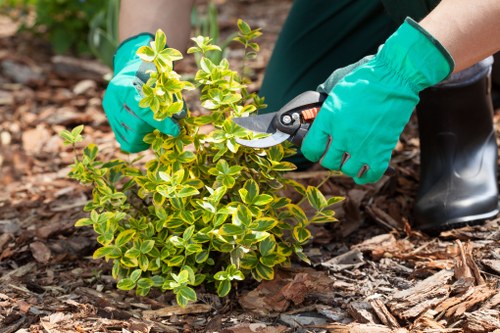
A little preparation can make the visit easier and help the team work safely and efficiently. If you are arranging crown thinning in Brompton, there are several simple steps you can take before the arborists arrive. These steps are especially useful where space is limited or where the tree sits close to a driveway, path, or shared boundary.
Preparation checklist:
- Move cars, bins, bicycles, and outdoor furniture away from the work zone
- Keep pets and children indoors or well away from the area
- Make sure gates, side access routes, and rear entrances are unlocked if needed
- Identify any sensitive features such as lighting, pots, ornaments, or paving
- Let the team know about overhead cables, fragile surfaces, or neighbour access issues
- Discuss any concerns about shade, privacy, or future tree shape before work starts
If the property is part of a shared block or managed building, it can also help to inform neighbours or building managers in advance, especially where access will be needed through communal areas. Small amounts of planning can save time and avoid unnecessary disruption.
Pricing Factors for Crown Thinning
It is natural to ask what affects the cost of crown thinning, but responsible tree companies should avoid giving vague promises without seeing the site. The price will usually depend on the tree’s height and spread, how dense the canopy is, access conditions, the amount of work needed, and whether there are obstacles such as sheds, walls, parked cars, or restricted entry points.
Common pricing factors include:
- Tree size and species
- Location of the tree within the property
- Access difficulty and parking limitations
- Amount of thinning required
- Need for additional services such as deadwood removal or crown lifting
- Waste removal and site clearance requirements
For Brompton customers, access can be one of the biggest considerations. A tree in a narrow rear courtyard, a communal garden, or a tightly parked street may require extra planning compared with a tree in an open drive. A proper quote should reflect the actual site conditions so there are no surprises later.
If you are comparing companies, look for clear communication, a sensible explanation of the proposed work, and a willingness to inspect the tree in person. That is usually more valuable than a rushed estimate based on limited information.
Why Choose a Local Tree Surgeon in Brompton
Choosing a local company for crown thinning in Brompton brings practical advantages. A local team is more likely to understand the layout of nearby streets, the style of local properties, and the everyday access issues that affect tree work. They may also be better placed to arrange visits efficiently and respond to seasonal demand in the area.
Local relevance matters because tree care is never just about the tree itself. It is about how the work fits into the property, the people who use it, and the surrounding environment. In a built-up area, tree pruning must be done with care and respect for neighbouring homes, shared boundaries, and public spaces. A local arborist is more likely to bring that practical awareness to the job.
Another advantage is accountability. When you choose a team that regularly works in and around Brompton, you are dealing with people who understand local expectations and the importance of leaving a tidy, professional finish. For many customers, that peace of mind is just as important as the technical skill of the pruning itself.
Areas Covered Around Brompton
Customers looking for crown thinning in Brompton often also need work carried out in the surrounding neighbourhoods and nearby districts. A local tree care service may cover adjacent residential streets, nearby commercial areas, and properties across the wider local patch where similar access and planning considerations apply.
Areas commonly served may include:
- Neighbouring residential streets and estates
- Nearby terraces, townhouses, and period properties
- Communal gardens and managed developments
- Retail frontages and hospitality premises
- Office courtyards and mixed-use properties
- Local schools, care settings, and community sites where permitted
If you are unsure whether your property falls within the service area, it is sensible to ask when requesting a quote. Local coverage can depend on the size of the job, access requirements, and scheduling, so a short conversation is usually enough to confirm whether the team can attend.
Frequently Asked Questions
Is crown thinning safe for every tree?
No. It depends on the species, age, condition, and structure of the tree. Some trees respond very well to selective thinning, while others may be better suited to a different kind of pruning. A proper assessment is important before any work begins.
Will thinning make my tree look sparse?
Not if it is done correctly. The aim is to reduce density while keeping the tree’s natural character. A skilled arborist will work evenly through the crown so the result looks balanced rather than stripped.
Can crown thinning help with too much shade?
Yes. One of the main reasons Brompton customers request this service is to bring more daylight into gardens, rooms, and shared spaces. It will not remove all shade, but it can make a noticeable difference.
How often should a tree be thinned?
That depends on growth rate, species, and location. Some trees may only need occasional attention, while others in fast-growing or exposed positions may benefit from periodic maintenance. A local tree surgeon can advise based on the specific tree and setting.
Do I need permission before crown thinning?
Sometimes, yes. Trees may be protected by a Tree Preservation Order or located within a conservation area, and that can affect what work is allowed. It is important to check before carrying out pruning, especially in areas with mature or visually significant trees.
What happens to the branches after the work?
Usually, the cut material is collected, processed, and removed from the site as part of the service. If you have a preference for leaving some woodchip or logs for your own use, discuss that in advance so arrangements can be made where possible.
Choosing the Right Approach for Your Tree
It is worth taking a thoughtful approach to any pruning work. The best crown thinning jobs are designed around the tree’s natural form and the practical needs of the property. That may mean light thinning on one tree, a more noticeable reduction in density on another, or a different service altogether if the structure needs something else.
When looking for crown thinning in Brompton, ask for a clear explanation of what will happen and why. You should feel comfortable that the proposed work is proportionate and aimed at improving the tree, not simply cutting it back without purpose. A good local tree team will talk you through the options in plain language and help you decide what makes sense for your space.
For many Brompton homes and businesses, thinning is the ideal middle ground: enough to open the canopy and reduce problems, but not so much that the tree loses its shape or presence. Done well, it can make a mature tree easier to live with for years to come.
Book Crown Thinning in Brompton
If your tree is becoming too dense, too dark, or too dominant, contact us today to discuss crown thinning in Brompton. A local assessment can help you understand the best way to improve light, structure, and appearance while keeping the tree healthy and well balanced.
Whether you need work for a private garden, a shared residential space, or a commercial property, the right pruning can make a real difference. Request a free quote, ask about access and site conditions, and get practical advice tailored to your tree and your property.
Book your service now if you are ready to improve the condition and appearance of your tree with careful, professional crown thinning carried out by a local team that understands Brompton properties.
Quick reminder
Good tree work should always be tailored to the tree, the site, and your priorities. If you want more light, less crowding, and a cleaner canopy without losing the character of the tree, crown thinning may be the right solution.
Next step
Arrange an assessment and get straightforward advice before deciding on the work. That way, you can choose the most suitable approach with confidence.